Sustainable real estate investment is rapidly becoming an important part of the global property market. As concerns about climate change, energy costs, resource efficiency, and environmental responsibility continue to grow, investors are increasingly looking beyond traditional measures of property performance.
Sustainable real estate focuses on properties that use resources efficiently, reduce environmental impact, support healthier communities, and maintain long-term economic value. For investors, this approach can create opportunities to combine financial objectives with environmental and social considerations.
What Is Sustainable Real Estate Investment?
Sustainable real estate investment involves allocating capital to properties and development projects that incorporate environmental, social, and governance principles. This can include energy-efficient buildings, renewable energy systems, sustainable construction materials, efficient water management, waste reduction, and environmentally responsible building operations.
The concept also extends beyond environmental performance. Location, accessibility, employee and occupant well being, community development, and responsible property management can all contribute to a property’s overall sustainability.
Why Sustainable Real Estate Is Growing
Several factors are driving the expansion of sustainable real estate investment. One major factor is the increasing cost of energy and resources. Buildings designed to consume less electricity and water can potentially reduce operating expenses over time.
At the same time, governments and regulators in many markets are introducing stronger energy-efficiency and environmental standards for buildings. Investors are therefore paying closer attention to whether properties can meet current and future requirements.
Tenant preferences are also changing. Businesses and consumers increasingly value buildings that offer energy efficiency, healthier indoor environments, convenient transportation access, and environmentally responsible features. This can increase demand for well-designed sustainable properties.
Energy Efficiency and Lower Operating Costs
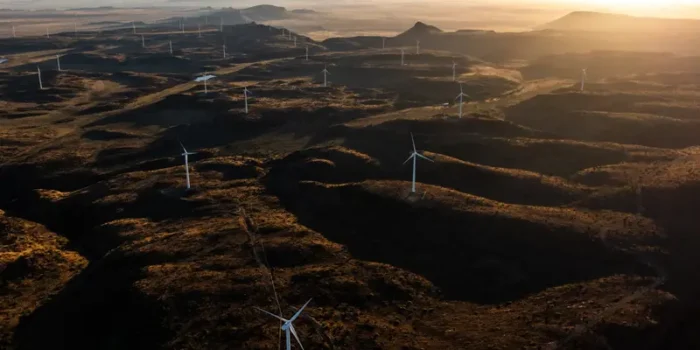
Energy efficiency is one of the most visible characteristics of sustainable real estate. Modern properties may incorporate efficient heating and cooling systems, smart energy controls, LED lighting, improved insulation, and renewable energy technologies such as solar power.
These features can help reduce energy consumption and operating costs. Although sustainable upgrades may require higher initial investment, the potential for long-term savings can make them attractive to property owners and investors.
For commercial properties, energy-efficient buildings can also become more appealing to tenants seeking to manage their operating expenses and meet their own sustainability objectives.
Green Buildings and Property Value
Sustainability is increasingly being considered as part of a property’s overall value proposition. Buildings with strong environmental performance may benefit from lower operating costs, stronger tenant demand, and improved resilience to changing regulations.
Green building certifications can also provide investors and tenants with a standardized way to evaluate certain aspects of a property’s sustainability performance.
However, sustainability should not be viewed as a guarantee of higher returns. Investors still need to evaluate location, property quality, rental demand, financing conditions, construction costs, and broader market conditions.
The Role of Technology
Technology is accelerating the transition toward sustainable real estate. Smart building systems can monitor energy consumption, temperature, lighting, water usage, and other operational factors in real time.
Artificial intelligence and data analytics can help property managers identify inefficiencies and optimize building operations. Sensors and connected devices can also support predictive maintenance, potentially reducing waste and extending the useful life of equipment.
As these technologies become more accessible, sustainable features are increasingly becoming integrated into the everyday management of commercial and residential properties.
Climate Resilience Is Becoming More Important
Sustainable real estate investment is also increasingly focused on climate resilience. Properties may face risks from extreme heat, flooding, storms, water shortages, and other environmental challenges.
Investors are therefore considering not only a property’s current sustainability performance but also its ability to remain functional and valuable under changing climate conditions.
Buildings designed with resilient infrastructure, efficient water systems, stronger materials, and appropriate site planning may be better positioned to manage certain environmental risks.
Sustainable Real Estate and Institutional Investors
Institutional investors are playing an important role in the growth of sustainable real estate. Pension funds, insurance companies, asset managers, and other large investors are increasingly incorporating ESG considerations into their investment strategies.
For these investors, sustainable properties can offer an opportunity to address environmental and social objectives while maintaining a focus on long-term financial performance.
This growing institutional interest is helping direct more capital toward energy-efficient buildings, sustainable developments, renewable infrastructure, and property technologies.
Challenges for Investors
Despite its potential, sustainable real estate investment comes with challenges. Green technologies and energy-efficient upgrades can require significant upfront capital. Investors must carefully assess whether expected savings and other benefits justify the initial costs.
Another challenge is measuring sustainability performance consistently. Different properties and markets may use different standards and metrics, making direct comparisons difficult.
There is also a risk of green washing, where sustainability claims are stronger than the actual environmental performance of a property. Investors therefore need reliable data, transparent reporting, and proper due diligence.
The Future of Sustainable Real Estate
The sustainable real estate market is likely to continue expanding as environmental regulations, technological innovation, investor expectations, and tenant preferences evolve.
Future developments may increasingly incorporate renewable energy, smart technologies, low-carbon materials, efficient water systems, green spaces, and climate-resilient infrastructure from the design stage rather than adding them later.
For investors, this creates a shift in perspective. Sustainable real estate is not simply about building greener properties; it is about creating assets that can remain competitive, efficient, resilient, and valuable over the long term.
Conclusion
The rise of sustainable real estate investments reflects a fundamental change in how property assets are evaluated. Environmental performance, resource efficiency, resilience, technology, and social considerations are becoming increasingly relevant alongside traditional investment factors.
For investors with a long-term perspective, sustainable real estate can provide opportunities to reduce operating costs, manage emerging risks, meet changing tenant expectations, and potentially strengthen asset value.
As the property industry continues to evolve, sustainability is increasingly moving from a niche investment theme toward a central consideration in modern real estate strategy.